Homebrew with Herbs: Honey Lemon Yarrow Summer Beer
Brewing beer with herbs like yarrow can lend new layers of flavor and complexity to your next batch.
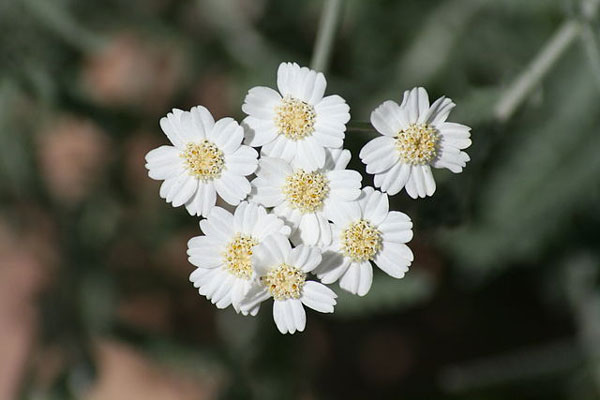
Yarrow is a fascinating herb. A lot of it grows wild here at our farm, and we also grow huge beds of multicolored yarrow for cutting flowers. The wild plant has white flowers and is surely one of the brewing herbs that’s most easily gathered from the the wild.
Amelia Loftus, a force in the homebrewing field for a long time, has an interesting take on brewing with yarrow in her book (Sustainable Homebrewing, Storey, 2014) and we asked her more about it.
“Yarrow has a long history as a brewing ingredient and an extensive pedigree as a healing herb. Despite all this, the reason it has become my favorite brewing herb is because I love the herbal, slight anise flavor and aroma it brings to lighter beer styles, and the fact that yarrow is basically a weed that is really easy to grow.
“Yarrow grows wild almost everywhere. It likes sandy soil and dry conditions. It grows wild on the little 3½-acre property I live on in California. I found a patch near the driveway and I have encouraged it to multiply by adding some well-aged compost and giving it a little water, once a week or so, in the dry season. I dug up some of the young yarrow plants in the springtime and planted them in my herb garden, where they are also thriving.
“I like to use the dried yarrow for adding some unique bitterness to the brew. The fernlike leaves offer the most bitterness and tannins, so I use this part sparingly. The best aromatics come from the flowers. The fresh harvested flowers, thrown in to steep at flameout, or steeped in just-boiled water and added to the secondary fermenter, bring a wonderful delicate aroma and tart herbal flavor to the beer.”
Amelia feels that yarrow has a tendency to add an “extra layer” of intoxication and stimulating properties to the beer she brews with it. Other herbs like mugwort and wormwood have a similar reputation.
Yarrow (Achillea millefolium)
Family: Compositae (Daisy)
Description: Fern-leaved, spreading perennial that grows up to 3 feet (90 cm) tall. Bears clusters of white to yellow flowers throughout summer. Good dried flower. Many hybrids are available with different colored flowers, such as ‘Summer Pastels’. Wide-spread roadside weed, easily gathered from the wild.
Similar Species: Fern-leaf yarrow (A. filipendulina) has large flowers and grows 3 feet (90 cm) tall; cultivars include ‘Coronation Gold’ and ‘Parker’s Variety’.
Hardiness: Zones 3 to 8
Best Site: Will grow in most soils, but prefers mildly acid soil with a pH around 6. Full sun.
Propagation: Propagation is by seed or division in spring or fall. Divide yarrow clumps every 3 to 4 years to keep them vigorous.
Harvesting: Pick leaves and flowers soon after the plants come into bloom.
Brewing: Yarrow’s leaves and blossoms were widely used to bitter beer before hops became popular. Use ½ ounce (14 g) of fresh leaves or blossoms early in the boil to bring a mild, sagelike bittering to your beer.
Amelia Loftus’s Honey Lemon Yarrow Summer Beer
This recipe is from Amelia Loftus’s home brewery. She was kind enough to brew a special batch for us and includes these tasting notes: “A light, refreshing beer with a pleasant tartness and an intriguing herbal note. A touch of herbal bitterness to balance the malty finish. The key to this beer is resisting the urge to add too much yarrow. It is a potent herb, and too much can lead to a beer that is too astringent, bitter, and a little too inebriating!”
Yield: 5 gallons (19 L) • Initial Gravity: 1.050–1.056 • Final Gravity: 1.012–1.016
Ingredients
- ¾ pound (340 g) organic pilsner malt, crushed
- ½ pound (226 g) organic light wheat malt
- ½ pound (226 g) organic light Munich malt
- 4 pounds (1.8 kg) organic pale dry malt extract
- 2 pounds (900 g) light honey (clover or orange blossom)
- ¾ ounce (21 g) Sterling pellet hops, AA 8%, 6 HBU
- ½ teaspoon (2.5 ml) organic Irish moss
- 1 ounce (28 g) American Citra or Cascade pellet hops
- ¾ ounce (21 g) dried or 1½ ounces (42.5 g) fresh yarrow flowers
- 1–2 ounces (28–57 g) fresh zest from 3 or 4 Meyer lemons (Use a vegetable peeler to get as much fresh zest as possible.)
- White Labs 002 English ale yeast, 001 California ale yeast, Wyeast 1968 London ESB ale yeast, 1056 American ale yeast, or Safale US-05 American ale yeast
- ¾ ounce (21 g) dried or 1½ ounces (42.5 g) fresh yarrow flowers
- ½ cup (118 mL) organic corn sugar for priming
Directions
- Mix grains with at least 3 quarts (3 L) water, or fill a grain bag and place it in your brew pot filled with water. Gently heat to 150°F (66°C), and steep 15 to 20 minutes. Strain all liquid from grains. Add enough water to the wort to fill brew kettle; total volume should be 5¼ to 5½ gallons (20 to 21 L) (adjust for your brewing system).
Heat to just before boiling, add malt extract and honey, and dissolve completely. Bring to a boil.
Excerpted from The Homebrewer’s Garden, Second Edition © Joe Fisher and Dennis Fisher. .


Related Books
-

Brewing Made Easy, 2nd Edition
-

Tasting Beer, 2nd Edition
-

The Secrets of Master Brewers
-

The Beer Geek Handbook
-

Beer for All Seasons